
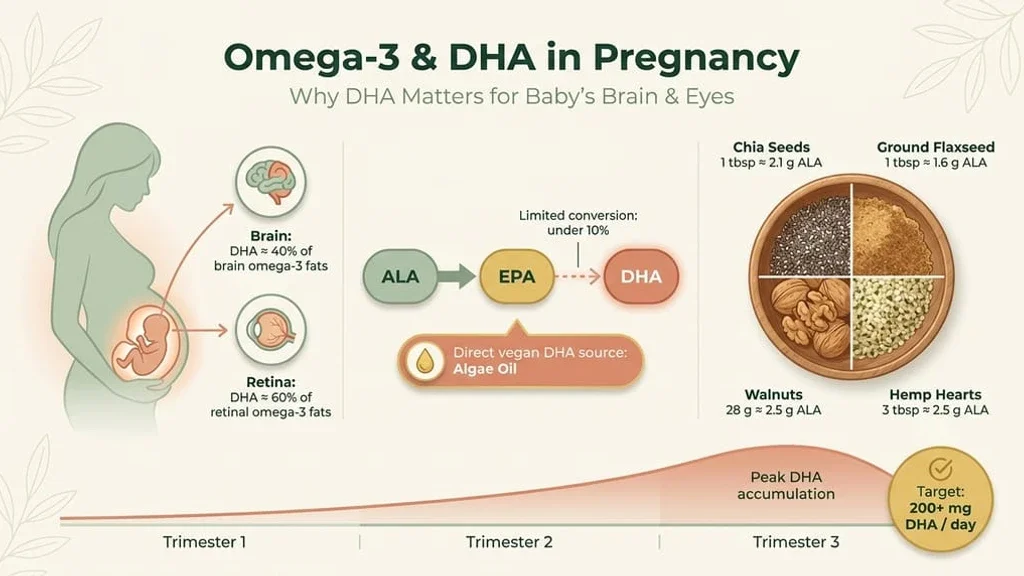
Pregnancy asks more of the body than almost any other life stage. Among the nutrients that matter most, few have attracted as much research attention as omega 3 fatty acids. For families drawn to plant-based living and traditional nature medicine, the key question is how to meet these needs without fish oil while still honoring safety, evidence and the wisdom of the herbal tradition.
Why Omega 3 and Pregnancy Are Closely Linked
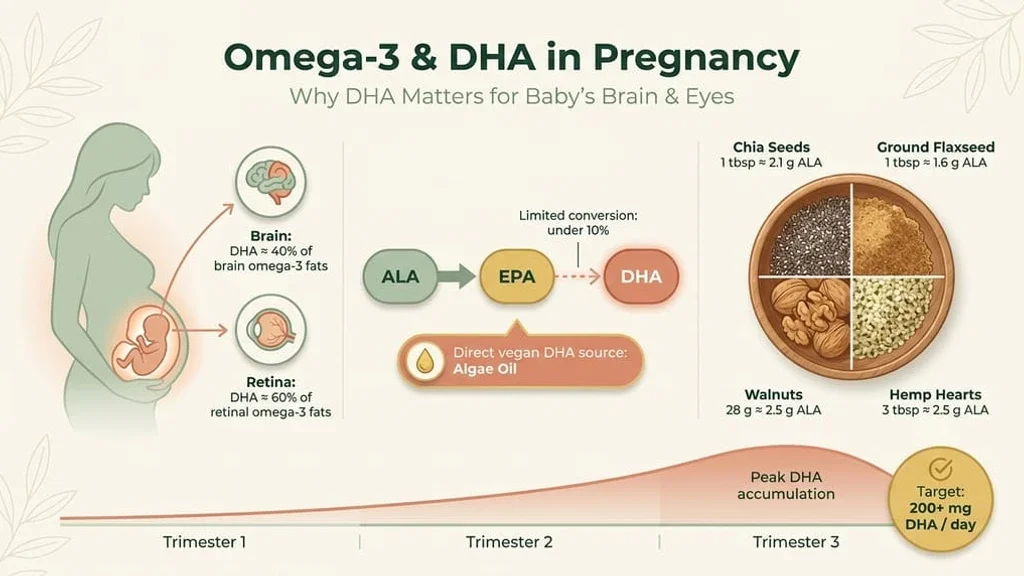
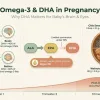
The connection between omega 3 and pregnancy centers on DHA, a long-chain fatty acid that builds the brain and retina of a developing baby. Most of this transfer happens in the third trimester, when fetal brain growth accelerates dramatically.
A 2018 Cochrane review of 70 trials found that omega 3 intake during pregnancy lowered the risk of preterm birth before 37 weeks by about 11% and early preterm birth before 34 weeks by roughly 42%. Many health authorities suggest at least 200 to 300 mg of DHA daily for expectant mothers.
The Three Main Omega 3 Types
- ALA (alpha-linolenic acid): found in seeds and nuts, the plant form.
- EPA (eicosapentaenoic acid): supports healthy inflammatory balance.
- DHA (docosahexaenoic acid): the structural fat of brain and eye tissue.
Plant-Based Omega 3 Sources in Nature Medicine
Vegan kitchens already hold several excellent omega 3 foods. The table below compares common options and how they fit into daily routines.
| Source | Omega 3 Type | Approx. Amount per Serving | Practical Use |
|---|---|---|---|
| Chia seeds (2 tbsp) | ALA | About 5 g | Puddings, smoothies |
| Ground flaxseed (1 tbsp) | ALA | About 1.6 g | Oatmeal, baking |
| Walnuts (1 oz) | ALA | About 2.5 g | Snacks, salads |
| Hemp hearts (3 tbsp) | ALA | About 2.5 g | Bowls, toppings |
| Algal oil (1 capsule) | DHA and EPA | 200 to 500 mg DHA | Daily supplement |
The Conversion Challenge and the Algae Solution
Seeds are nourishing, yet the body converts only a small fraction of ALA into DHA, often estimated below 10%. That gap matters during pregnancy. Fortunately, fish do not make DHA themselves; they obtain it from microalgae. Algal oil goes straight to the original source.
A balanced vegan approach pairs daily ALA-rich seeds with a quality algae-based DHA supplement, offering the brain-building fat without ocean contaminants such as mercury.
Herbal Teas That Complement an Omega 3 Routine
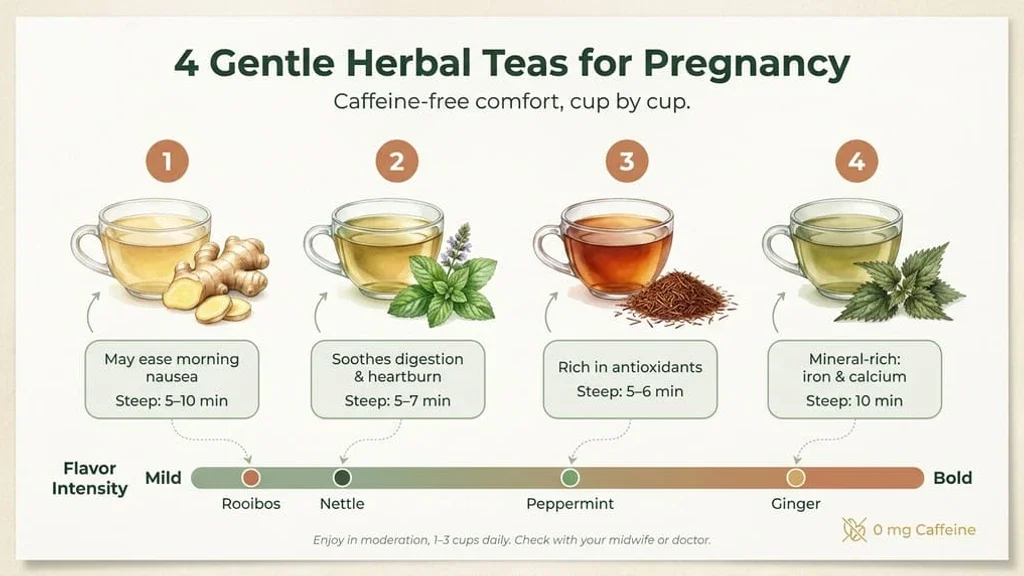
Herbal teas do not supply omega 3, but they support hydration, digestion and comfort. Well-chosen herbal teas can make a nutrient-focused routine more pleasant and sustainable.
Gentle Options Often Used in Moderation
- Ginger: well studied for easing morning nausea.
- Peppermint: soothes mild indigestion and bloating.
- Rooibos: caffeine-free and rich in antioxidants.
- Nettle leaf: a traditional mineral-rich nourishing tea.
- Red raspberry leaf: traditionally reserved for late pregnancy under guidance.
Herbs Best Avoided
Pennyroyal, mugwort, blue cohosh, tansy, dong quai and large amounts of licorice root are generally considered unsuitable during pregnancy. Any herbal tea used regularly should be discussed with a midwife or doctor.

Supporting Heart and Circulation Naturally
Blood volume rises by up to 50% during pregnancy, placing extra demand on the cardiovascular system. Omega 3 fats are known for supporting healthy circulation. Those curious about broader cardiovascular herbalism can explore herbs for high blood pressure, keeping in mind that many such herbs are not appropriate while pregnant and that elevated blood pressure in pregnancy always needs medical attention.
Building a Pregnancy-Friendly Natural Pantry
Small daily habits create lasting results. A practical nature medicine pantry for expectant mothers might follow these steps:
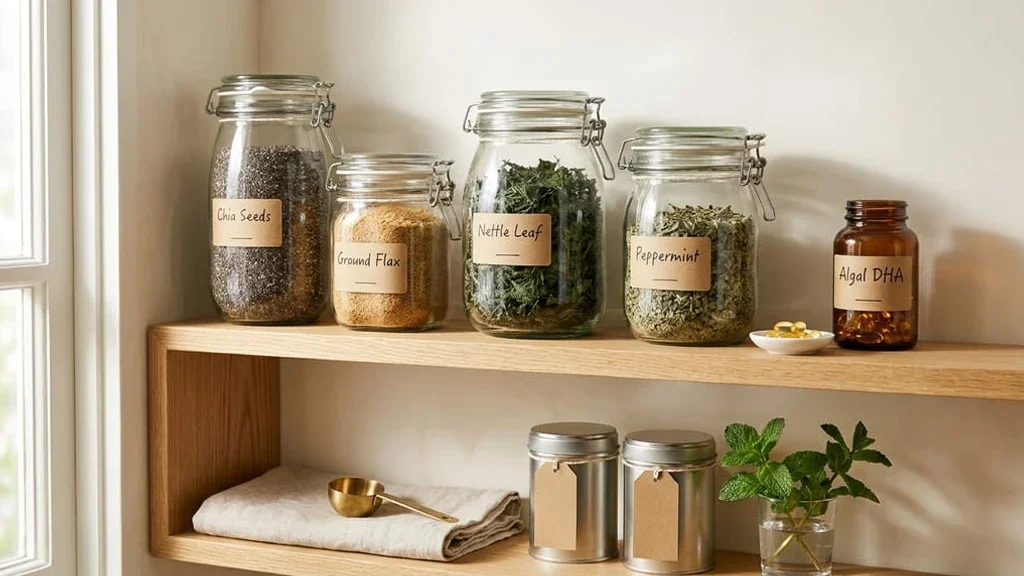
- Store ground flaxseed and chia in airtight jars in the refrigerator to prevent rancidity.
- Add one tablespoon of seeds to breakfast every morning.
- Choose a third-party tested algal DHA supplement.
- Rotate two or three pregnancy-safe herbal teas rather than drinking one in large amounts.
- Label each blend with herbs, date and intended use.
For deeper, structured learning on safe blending, dosage and vegan preparations, a comprehensive herbalism online course offers the foundation needed to build a trustworthy home apothecary for every stage of family life.
Frequently Asked Questions
Can vegans get enough omega 3 during pregnancy?
Yes. Seeds like chia, flax and hemp provide ALA, but conversion to DHA is limited. An algae-based DHA supplement offers a direct vegan source of the form most important for fetal development.
How much DHA is recommended during pregnancy?
Many health authorities suggest at least 200 to 300 mg of DHA daily for pregnant women. A healthcare provider can advise on the right amount for individual needs.
Are herbal teas safe to drink while pregnant?
Some herbal teas, such as ginger, peppermint and rooibos, are commonly used in moderation. Others, including pennyroyal, mugwort and blue cohosh, should be avoided, so any regular tea should be discussed with a midwife or doctor.
Is algal oil as effective as fish oil?
Studies show algal oil raises blood DHA levels comparably to fish oil. It also avoids concerns about mercury and other ocean contaminants.
Do herbal teas contain omega 3?
No, herbal teas are not a meaningful source of omega 3. They are best used to support hydration, digestion and comfort alongside omega 3 rich foods and supplements.




Add comment